

How Does an Escape Room Work?
Six Steps. Zero Confusion.
- Book Your Room. Pick by theme, challenge level, and how many people you're bringing. Pay online. The whole thing takes about two minutes.
- Arrive 15 Minutes Early. Check in, sign your waiver, hit the restroom. That fifteen-minute cushion is what keeps the start of your game from feeling rushed.
- Get Briefed. Your game master sets the scene and walks you through the rules. Ask anything. This is the moment to get it all straight before the clock matters.
- Play. Now it's on. Search, solve, and keep talking. Stuck for too long? A hint lands on the in-room screen, no judgment, no penalty.
- Escape (or Don't). Beat the clock and you're out. Don't, and you'll still get the full walkthrough of everything you missed - which, honestly, is half the fun.
- Celebrate. Snap the group photo by the timer. Relive the close calls. Then book your next room right at the desk and take 20% off with Stay & Play.
What Types of Puzzles Are in Escape Rooms?
Forget rows of padlocks. At Labyrinth, the puzzles live inside the room - the set pieces, the soundscape, the props you can pick up and turn over in your hands. No trivia. No math degree. Nothing you studied in school. Everything you need is already in there with you, and the teams that crack it fastest aren't the smartest in the building. They're the ones who keep talking.
Most rooms blend a few of the styles below, which means there's a moment that belongs to everyone in your group. Here's what you'll run into.
Logic & Deduction

The thinking puzzles. Line up what you know, set aside what doesn't fit, and the answer tends to walk right up to you. A calm head beats raw brainpower here every time.
- Step-by-step sequences. Solve one piece and it hands you the next, so the whole thing unspools like a story.
- Connect the clues. Two scraps that looked unrelated snap together. Honestly, a teammate usually catches the link before you do, and that's the fun of it.
Search & Discovery
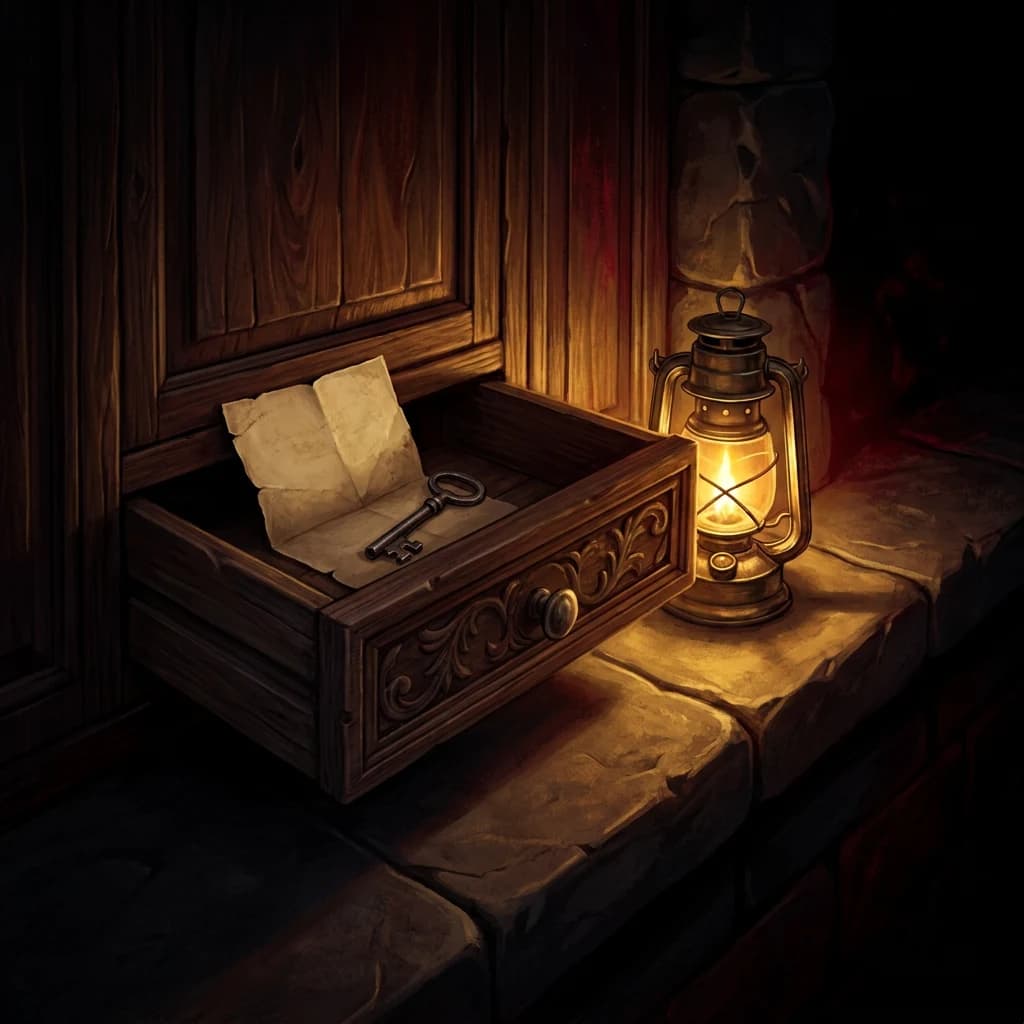
Half the game is just finding the pieces. The rooms are stuffed with spots that reward a second look, and that little jolt of “wait, what's this?” goes to whoever bothered to open the drawer.
- Hidden compartments. Pull a lever, slide a panel, and the set gives up what it was hiding.
- Out-of-place objects. If something doesn't belong, it's a clue waving at you. Trust the hunch and dig in.
- High and low. Up on the shelf. Under the table. Behind the painting. What you need is almost never sitting at eye level.
- Search as a group. Two people sweeping the same corner is wasted time. Spread out, call out what you find, and the room shrinks fast.
Codes & Ciphers
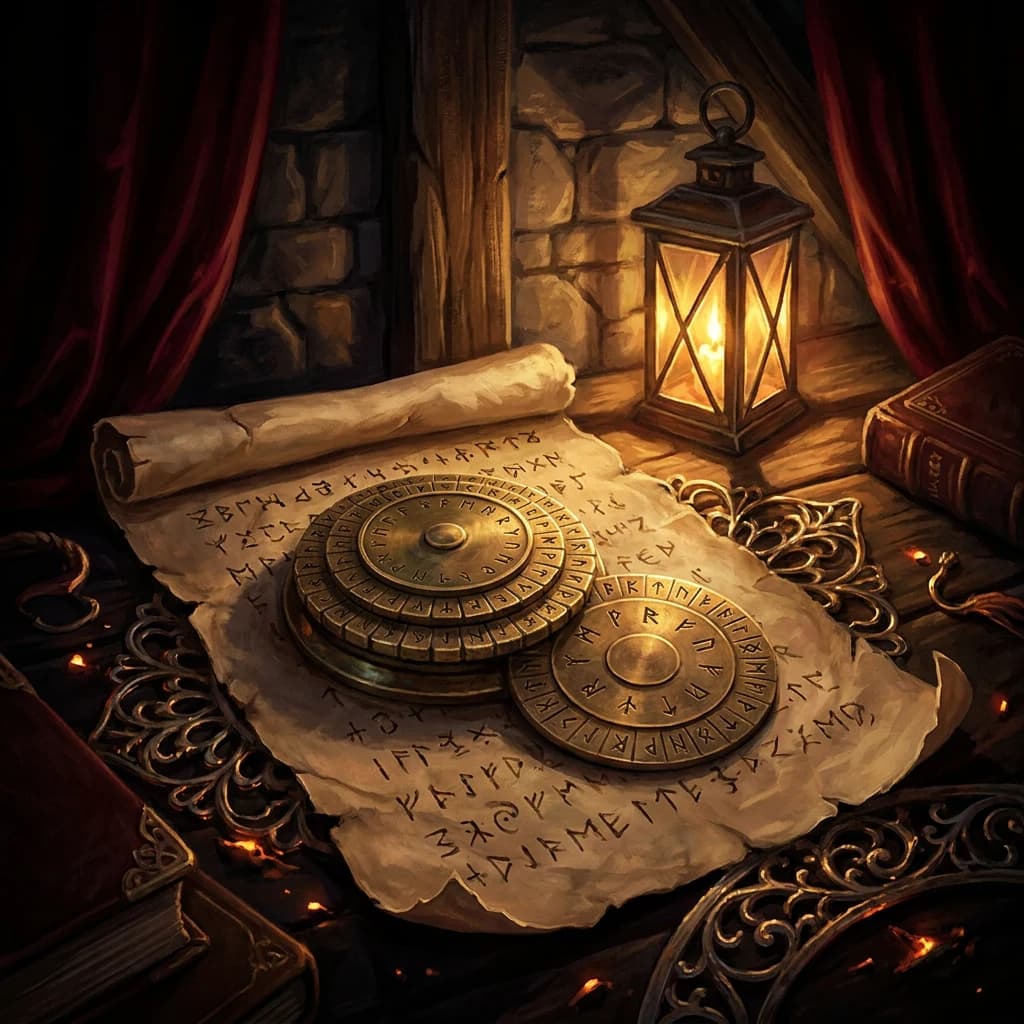
One thing becomes another. A row of symbols turns into a word, a pattern turns into a number, and the moment your team finds the key, the rest of the message tumbles out in seconds.
- Symbol translation. Runes, hieroglyphs, made-up alphabets. Find the key somewhere in the room and match symbol to meaning.
- Hidden messages. That note reads like gibberish until someone notices what the writer left out. Then it's obvious.
- Decoding with a tool. Somewhere in the room is the prop that cracks it. Line it up just right and the answer shows itself.
Pattern & Observation
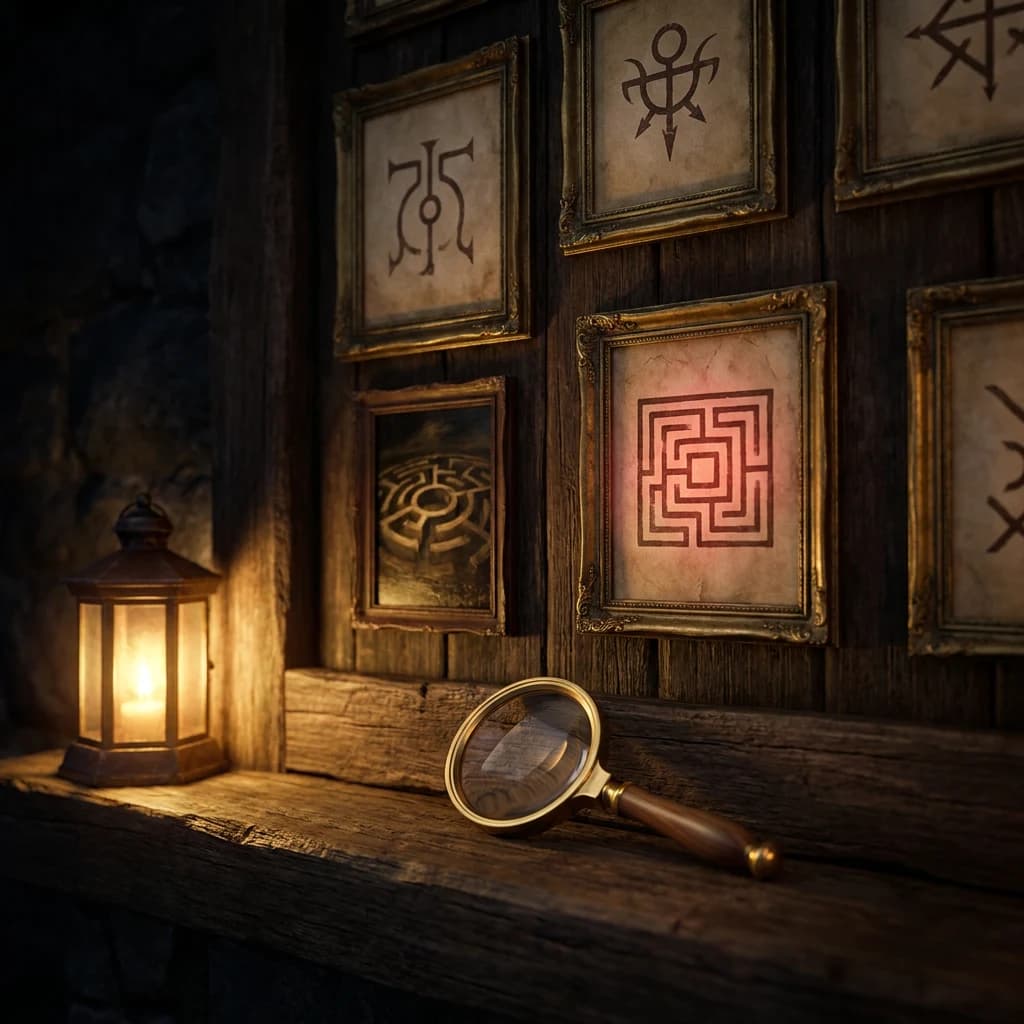
The clue was sitting in plain sight the whole time. These go to the person who studies the painting, hears the change in the music, and clocks the one detail the rest of the group strolled right past.
- Matching and sequencing. Get the colors, shapes, or sounds in the right order and the room answers back.
- Spot the detail. A painting, a prop, a stray line of the story. Something in the set is quietly telling you the answer, and it's waiting for you to look twice.
Hands-On & Physical

Hands, not heads. You'll pull, turn, press, and build real props wired into the set. This is where the ten-year-old and the grandparent end up shoulder to shoulder, because the room wants hands on it, not expertise.
- Mechanical interactions. Crank a wheel or flip a switch and something across the room jumps to life.
- Assembly puzzles. Round up the scattered pieces, figure out how they fit, and build the thing that moves you forward.
- Teamwork mechanisms. A few props simply need two sets of hands at the same time. No way around it. The room makes you work together.
- Physical reveals. Move the right object and a wall, a drawer, or a whole new space opens up. These are the moments your group will still be talking about in the car.
Here's the part nobody tells first-timers. No single puzzle decides your night. The teams that get out are the ones who say what they're looking at, hand the right job to the right person, and keep moving. That's it. You've got this.
What Are the Best Tips for Your First Escape Room?
Eight Tips. Every One Worth Knowing.
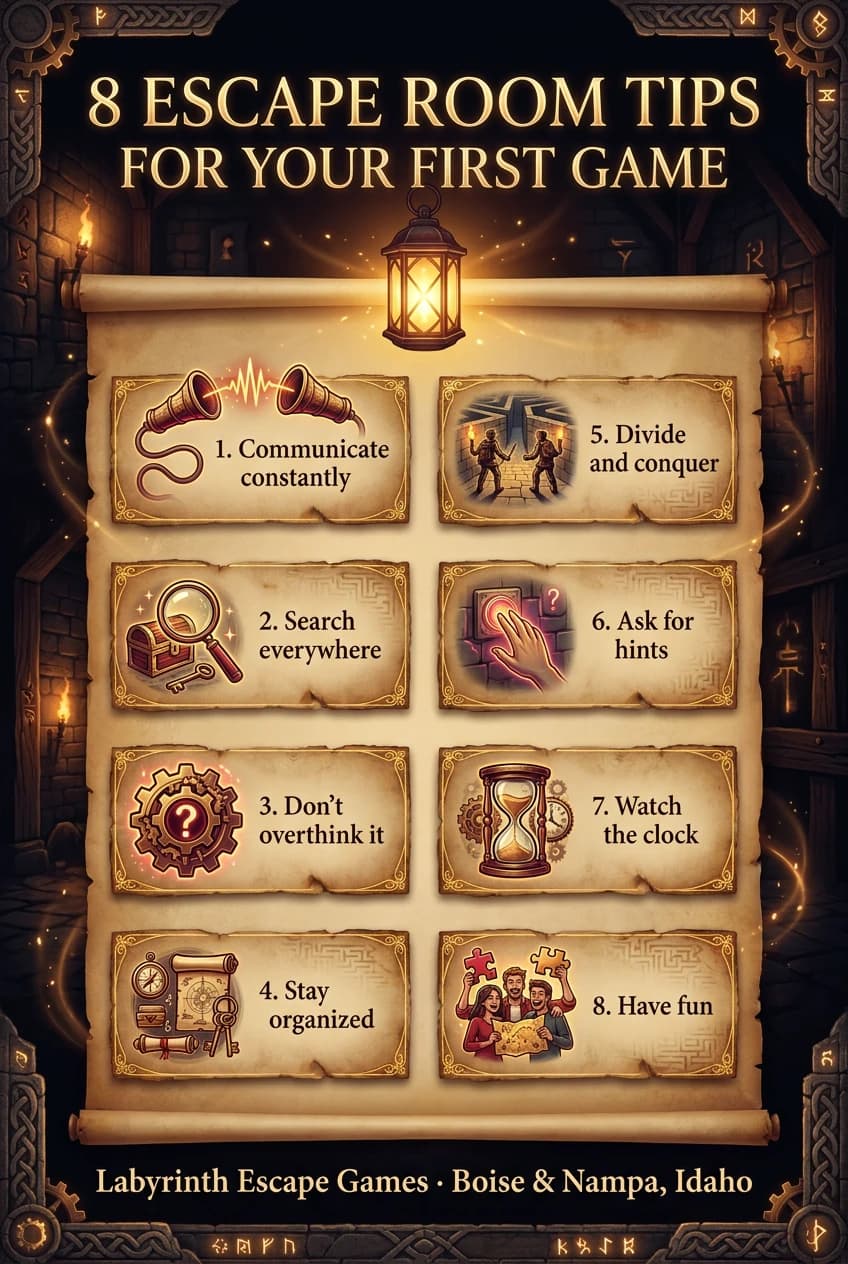
- Communicate constantly. Say it out loud, all of it. "I found a key." "This number matches that pattern over there." The teams that talk get out. The quiet ones watch the clock run down.
- Search everywhere. Drawers, undersides, ceilings, that weird gap behind the bookcase. Anything that catches your eye for half a second is worth a closer look.
- Don't overthink it. Been glued to one puzzle for five minutes with nothing to show? You're overcomplicating it. Back up and try the obvious answer first. It's right more often than you'd think.
- Stay organized. Pick one spot and pile your finds there. Used a clue already? Move it aside so nobody burns time re-solving it. A tidy room is a fast room.
- Divide and conquer. Lots of ground to cover? Split up and work different corners - just keep shouting updates across the room so everyone's in the loop.
- Ask for hints. Go on, ask. A hint isn't a failure, it's part of the game. Your game master would much rather nudge you forward than watch you stall on one lock.
- Watch the clock. Time vanishes when you're deep in it. Glance at the timer now and then and pick up the pace if the back half is sneaking up on you.
- Have fun. Nobody's grading you. There's no leaderboard waiting outside. You're cracking puzzles with people you like, so soak it in.
Escape Room Myths vs. Reality
| Myth | Reality |
|---|---|
| You're locked in a room. | Nope. There's an emergency exit you can walk through whenever you want. You're here to solve a story, not to be held captive. |
| You need to be smart to escape. | This isn't an IQ test. The groups that get out aren't the brainiest in the building - they're the ones who talk to each other and notice things. Teamwork wins this game, not genius. |
| Escape rooms are scary. | Most of ours aren't, at all. The Lost Mine, Excalibur, Dead Man's Chest, and Tomb of the Pharaohs are built for families. Only The Eternity Experiment leans into atmospheric horror, and you'll know that going in. |
| You need a big group. | Not even close. Plenty of rooms are perfect for two. Couples book them for date night all the time. |
| If you don't escape, you wasted your money. | Roughly a third of groups run out of time. They also keep leaving five-star reviews. Turns out the playing is the point, and the win is just the cherry on top. |


