
How to Prepare for an Escape Room
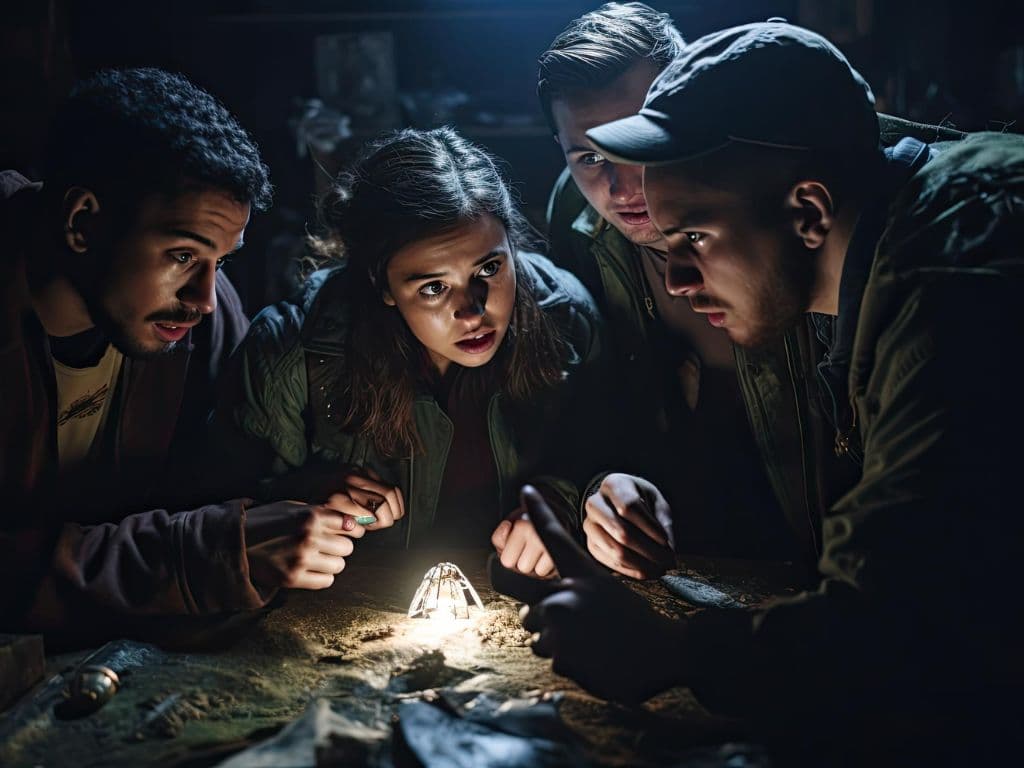
An escape room isn’t just a night out in Boise. It’s 60 minutes of focus, pressure, and small wins that build fast. The door closes. The clock starts. Now it’s on you and your team to think clearly and move with purpose.
Preparation matters more than people think. It’s not about being a genius. It’s about showing up ready to communicate, stay organized, and keep calm when clues feel scattered. A little planning changes everything. The better prepared you are, the more fun you’ll have—and the stronger your shot at beating the clock.
Why Escape Rooms Are the Ultimate Adventure
Boise weekends hit different when you trade the usual bar hop for something that actually tests you. Escape rooms bring the kind of energy you feel at Winter Garden aGlow or a packed holiday market—buzzing, focused, a little competitive.
For young professionals who like a real challenge, this is where quick thinking and teamwork matter. Every clue rewards attention. Every solved puzzle builds momentum. It’s immersive, fast-paced, and surprisingly intense. Prepare right, and it won’t just be another plan—it’ll be the story you’re still talking about Monday morning.


Top Tips for First-Time Escape Room Participants
Escape rooms in Boise bring the same buzz you feel at a packed downtown event. The clock runs fast. The pressure builds. A little preparation keeps your first experience sharp, smooth, and fun.
- Arrive early. Give yourself time to check in and settle your nerves. Rushing kills focus before the game even starts.
- Listen carefully to the briefing. Game rules matter. Small details often become big clues later.
- Wear comfortable clothes. You may bend, reach, or move quickly between puzzles.
- Communicate out loud. Say every number, symbol, and discovery clearly so nothing gets missed.
- Split tasks wisely. Cover more ground, but keep updating each other.
- Rotate if stuck. Fresh eyes solve problems faster than frustration does.
- Use hints smartly. They keep momentum strong and the experience exciting.
How to Enhance Your Puzzle-Solving Skills
Strong puzzle skills don’t happen by luck. They build the same way Boise builds anticipation for a big downtown event—through attention, repetition, and a little healthy competition. If you want to perform better in an escape room, start before the clock ever starts.
Play logic games during the week. Try riddles. Notice patterns in everyday life. Practice thinking out loud so your ideas land clearly with your team. When you hit a wall, pause instead of forcing it. Shift angles. Stay patient. The sharper your observation and communication, the faster clues connect—and the more satisfying the win feels.

The Role of Teamwork in Escape Games
An escape room works the way a busy Boise event does. Energy builds when everyone shows up ready to contribute. One person spots numbers. Another sees patterns. Someone else keeps the group steady when the clock feels loud.
Teamwork isn’t optional. It’s the core of the experience. Speak every clue out loud. Share half-formed ideas. Rotate puzzles if someone gets stuck. Trust that different minds see different angles. The more connected your group feels, the smoother the momentum. When communication flows, pressure turns into focus—and solving that final lock feels earned, not lucky.
Understanding Clues and Hints in Escape Rooms
Clues in an escape room aren’t random. They’re placed with purpose, like details woven into a well-planned Boise event. Every number, symbol, or lock connects to something. The trick is slowing down enough to notice what matters.
Read everything carefully. Check objects twice. Say discoveries out loud so your team can build on them. If momentum stalls, ask for a hint. Hints don’t ruin the experience—they keep it moving. The goal isn’t guessing. It’s observing, testing, and adjusting. When you treat clues like pieces of a bigger picture, patterns start to form and progress feels steady.

How to Communicate Effectively with Your Team
Clear communication wins games in Boise, whether it’s planning a weekend downtown or racing a 60-minute clock. In an escape room, silence slows you down. Talking keeps momentum alive.
Call out every clue. Read numbers and symbols out loud. Share ideas, even if they feel half-formed. Someone else may see the connection you don’t. Avoid crowding one puzzle while others wait. Assign tasks, then update each other often. If tension builds, reset and refocus. Calm voices think better. When your team stays open and direct, progress feels steady—and that final click of the lock feels earned together.
The Importance of Time Management in Escape Rooms
In an escape room, the clock isn’t background noise. It’s part of the experience. Sixty minutes move fast, especially when puzzles stack up and ideas collide. Managing time well keeps small delays from turning into big setbacks.
Scan the room quickly at the start. Spread out and tackle different leads. If a puzzle stalls for more than a few minutes, switch players or shift focus. Keep checking progress. Stay aware of how much time remains. Smart teams balance speed with clarity. When you respect the clock instead of fearing it, pressure sharpens your thinking—and every solved lock feels intentional.

Why an Open Mind and Enthusiasm Are Crucial
An escape room works best when you show up curious and ready to play. The story might feel dramatic. The puzzles might seem odd at first. That’s part of the fun. If you stay open, small details start to make sense.
Enthusiasm fuels momentum. When you lean into the theme and trust the process, ideas flow more easily. Laugh at wrong guesses. Stay flexible when plans shift. Bring energy the way Boise brings energy to a packed holiday event—fully in, fully present. An open mind keeps frustration low and creativity high. That mindset often makes the difference between running out of time and beating it.
How to Tackle Unfamiliar Situations with Confidence
Escape rooms drop you into the unknown fast. New setting. New rules. A ticking clock. Confidence doesn’t come from knowing every answer. It comes from trusting your ability to figure things out.
When you face something unfamiliar, slow your breathing and scan the room. Break big puzzles into smaller parts. Test ideas without overthinking them. If one approach fails, pivot quickly. Stay vocal with your team. In Boise, we’re used to trying new things and learning as we go. Bring that same mindset inside the room. Calm decisions and steady teamwork turn uncertainty into progress—and progress builds confidence fast.

Divide and Conquer Strategy in Escape Games
An escape room moves fast. If everyone crowds one lock, progress stalls. That’s where a divide and conquer mindset makes the difference. Spread out early. Let each person scan a different section of the room.
Assign roles based on strengths. One person tracks numbers. Another handles word puzzles. Someone keeps an eye on solved clues and what’s still open. Check in often so separate discoveries connect. If one path slows down, regroup and shift. Boise crews know teamwork works best when everyone contributes. Cover more ground, communicate clearly, and watch how quickly scattered clues turn into steady momentum.
FAQs
1. What are the best strategies for solving escape room puzzles?
Start by scanning the room and calling out what you find. Share clues out loud so nothing stays in one person’s head. Split tasks, test ideas quickly, and move on if something stalls. Use hints wisely—they keep the momentum strong.
2. How can one improve their puzzle-solving skills for escape rooms?
Play often and pay attention to patterns. Practice logic puzzles, riddles, and observation games in your free time. Work on clear communication and staying calm under pressure. The sharper your focus, the faster you spot connections others miss.
3. What should you wear and bring to an escape room?
Wear comfortable clothes and closed-toe shoes. You may bend, reach, or move around the space. Leave bulky bags behind and bring only what you need—most rooms don’t allow phones. Show up a few minutes early so you can settle in and focus.
4. How does teamwork enhance the escape room experience?
Escape rooms reward strong communication. One person sees numbers. Another spots patterns. When you combine strengths, progress feels steady and satisfying. Working together turns pressure into energy and small wins into shared victories.
5. What are common mistakes to avoid in an escape room?
Don’t overthink simple clues. Don’t keep discoveries to yourself. Avoid crowding one puzzle while others sit untouched. And most of all, don’t panic—clear thinking beats rushing every time.

Preparation sets the tone long before the timer begins. Show up a few minutes early. Clear your head. Put your phone away. Trust your team and commit to communicating out loud. Small habits—staying organized, checking every corner, asking for hints when needed—make a real difference.
In Boise, we like a good challenge, but we like winning even more. An escape room rewards focus, teamwork, and steady thinking under pressure. Come in ready to observe, adapt, and stay calm. Do that, and the clock won’t feel like your enemy. It’ll feel like the reason you pushed harder and finished stronger.
If you are in Boise and looking for an escape room, head over to our facility at Labyrinth Escape Games! You can also gift our gift cards to your loved ones!

Related articles

The Future of Escape Rooms in Boise Is Already Here
The Future of Escape Rooms in Boise: What’s Coming and Why It Matters Boise has outgrown the novelty phase of escape...
How Do Escape Rooms Work
Feel the rush of escape rooms in Boise. Solve puzzles, race the clock, and share real wins with friends. A bold,...

How Much Do Escape Rooms Cost
Escape room prices in Boise explained. See what locals pay, why costs vary, and how timing and group size shape the...